Case Studies
As AI assistants like ChatGPT, Claude, Gemini, and Perplexity replace traditional search engines, one question becomes critical:
Is your brand part of the answers people trust?
In this case study, you'll discover how Evervise helped clients across SaaS, healthcare, and e-commerce industries.
Through real-world examples, we break down the exact LLMO (Large Language Model Optimization) strategies that enabled this transformation including conversational content restructuring, AI-trust signal building, and multi-platform optimization.
Cross-Case Insights
Why LLMO Works?
Average Timeline
Weeks 1–3: Foundation
Weeks 4–8: Authority Building
Weeks 9–12: Competitive Displacement
Universal Success Factors
- Multi-Platform Targeting: ChatGPT, Gemini, Claude, Perplexity
- Live Iteration: We A/B test and refine based on AI response behaviors
- Conversational Structuring: Q&A and natural format beats keyword stuffing
Ready to Be the Answer?
Let’s position your brand where the world is searching inside.
Contact: mark.marin@evervise.com
LLMO by Evervise – Building AI-ready brands. The models that power modern knowledge.
Case study - B2B SaaS Transformation
From invisible to indispensable in AI search.
Client Background
A mid-market project management software company was struggling to compete against industry giants despite offering a better product for construction and engineering teams.
- Industry: B2B SaaS
- Company Size: 18 employees, $800,000 ARR
- Problem Duration: 16 months of stagnant growth
The Challenge
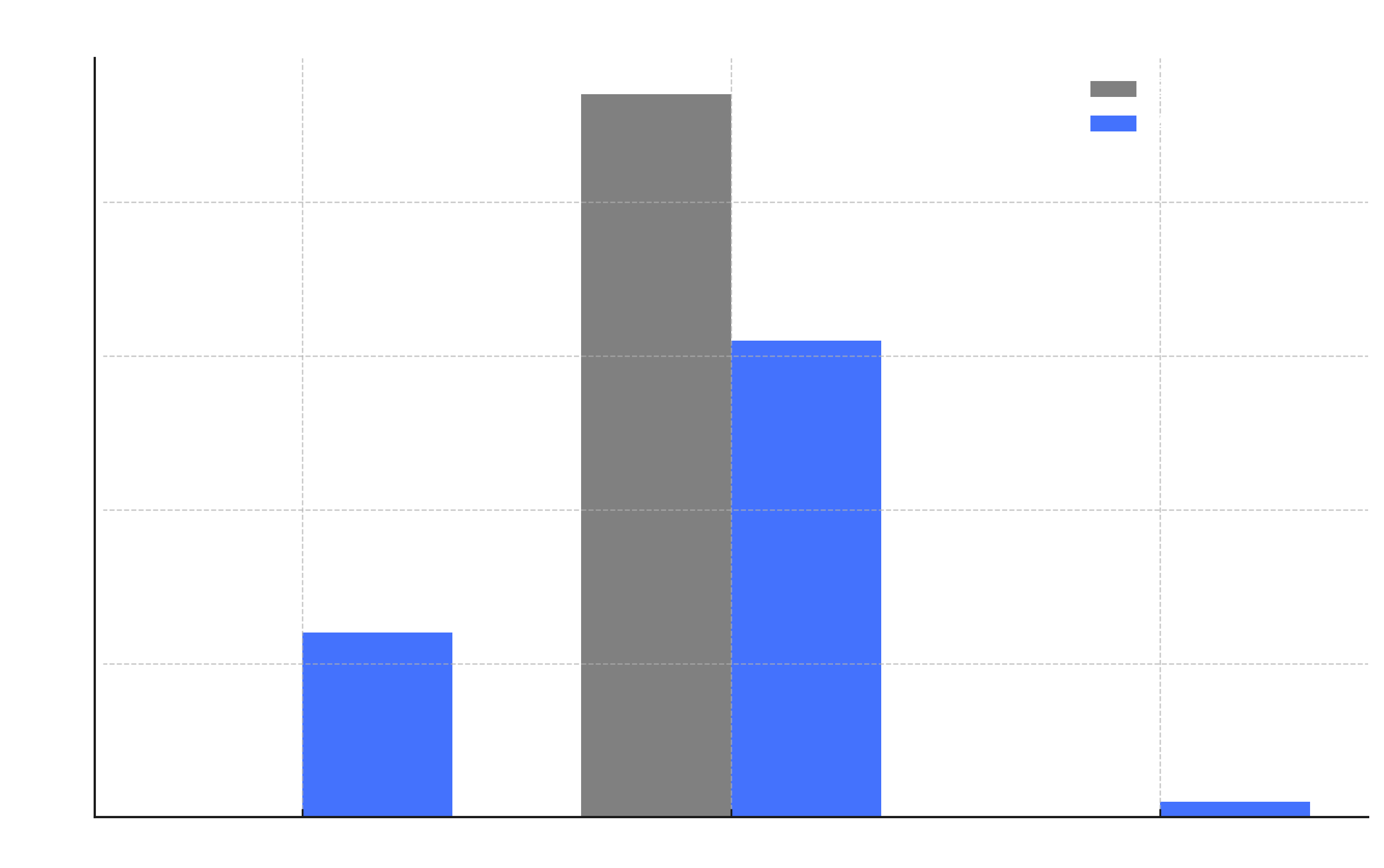
- 0 mentions in AI-generated product recommendations (ChatGPT, Perplexity)
- 89% of organic traffic was branded
- Cost-per-acquisition rising 34% per quarter
- Poor AI ranking for “best project management software”
- Sales team wasting 40+ hours per week on unqualified cold outreach
Our LLMO Strategy 12 Weeks
- Phase 1: AI Content Audit & Competitive Landscape
- Phase 2: Semantic Content Optimization
- Phase 3: Authority Signal Building
- Phase 4: AI Response Monitoring + Iteration
Results After 12 Weeks
- +348% AI mentions
- +284% qualified leads
- -45% CAC ($2,400 → $1,320)
Case study - Healthcare Authority Building
Winning patient trust through AI visibility.
Client Background
Midwest Cardiology Associates faced shrinking new patient numbers as more people turned to AI for healthcare recommendations.
- Industry: Healthcare
- Practice Size: 12 physicians, 3 locations
- Problem Duration: 14 months
The Challenge
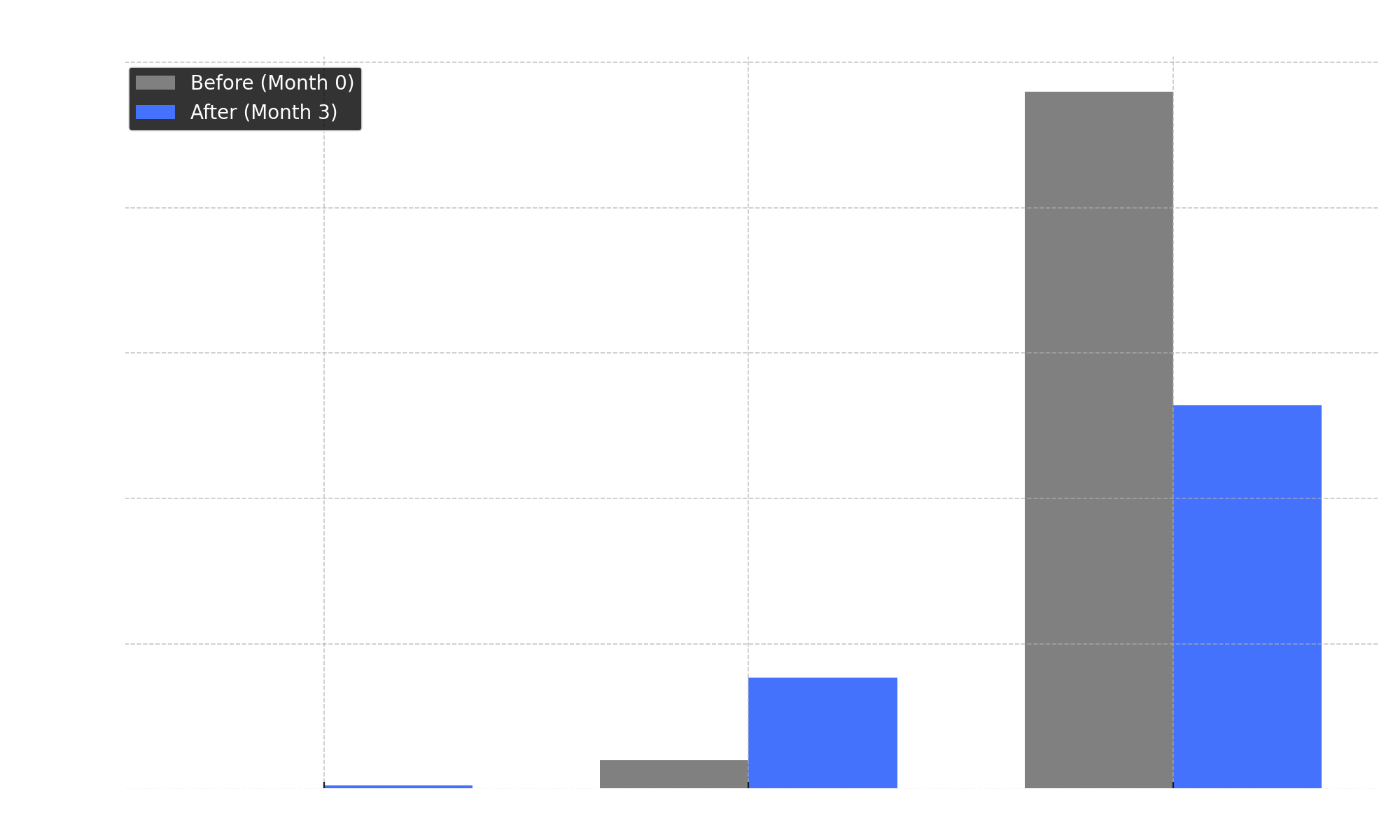
- 0 AI mentions in symptom or treatment queries
- 73% drop in traffic to health content pages
- 23% year-over-year decline in patient acquisition
- Insurance models demanding higher visit volume
- Lacked clear digital authority in a competitive regional market
Our LLMO Strategy – 12 Weeks
- Phase 1: Authority & E-A-T Audit
- Phase 2: Expert-Credentialed Content
- Phase 3: Localized Authority Content
- Phase 4: Conversational Query Optimization + Symptom Checkers
Results After 12 Weeks
- AI citations in heart-related queries increased
- +142% new consultations
- +35% lifetime value per patient
- Patients began using AI tools to find the best cardiologist near them
Case study - E-commerce Discovery Revolution
From paid traffic dependency to AI-fueled growth.
Client Background
A sustainable home goods e-commerce brand was invisible in AI shopping suggestions despite premium eco-friendly products.
- Industry: E-commerce
- Practice Size: 15 employees, $480,000 annual revenue
- Problem Duration: 10 months of sales decline
The Challenge
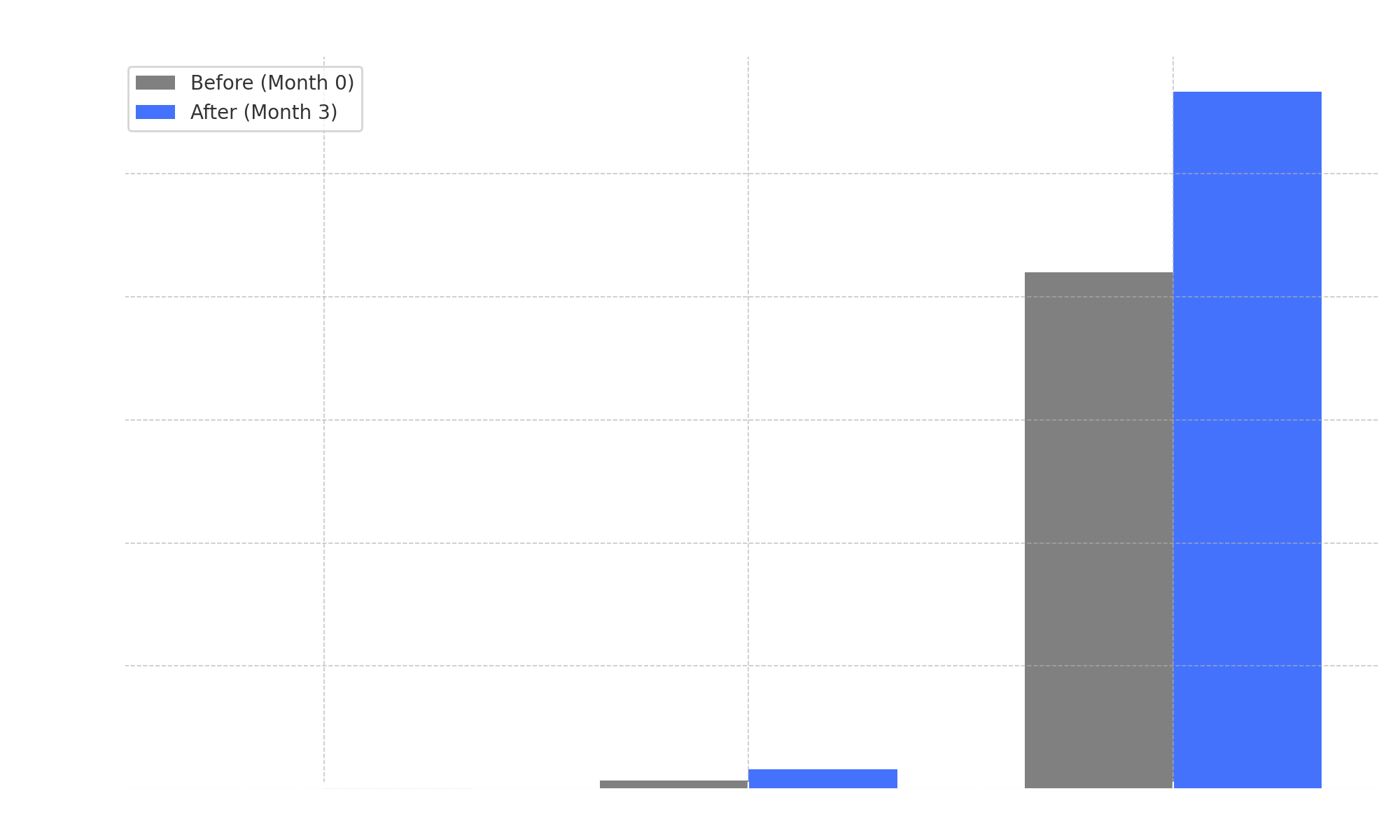
- 0 AI shopping mentions
- 67% of traffic from paid ads
- CAC rising, AOV stagnant
- Sustainability value not resonating with new customers
Our LLMO Strategy – 12 Weeks
- Phase 1: Product Discovery Audit
- Phase 2: Schema & Description Rework
- Phase 3: Authority & Trust Building
- Phase 4: AI Shopping Optimization
Results After 12 Weeks
- Brand now consistently shown in AI product suggestions — increased
- 34% decrease in CAC — reduced
- Achieved positive ROAS for the first time in over a year
- Launched B Corp certification process